


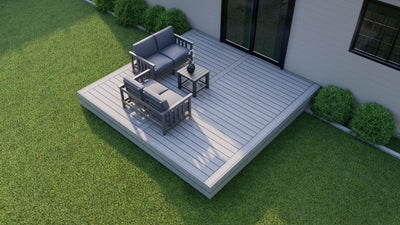


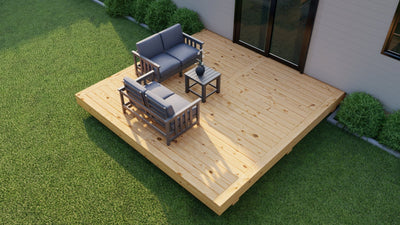


How to Decorate a New Deck: Outdoor Deck Decorating Ideas of 2026
Share
There is a particular kind of excitement that comes with a brand-new deck. And then you stand there and realize, you have no idea what to do with it. It happens to almost everyone. The build is the part that people plan carefully. The decorating part usually gets figured out on the fly, often with a few impulsive Amazon orders and a rug that turns out to be the wrong size.
This guide fixes that. Whether you just finished building with an A-DIY deck kit or had a contractor finish the frame last week, the deck ideas and approach here will help you create a beautiful outdoor living space that feels finished, functional, and genuinely enjoyable.
10 Outdoor Deck Decorating Ideas You Should Try in 2026
1. Plan Before You Buy Anything
The most expensive decorating mistake you can make is buying things before you have a plan.
Before ordering a single piece of furniture, answer three questions:
- How do I want to use this space? (coffee, eating, lounging, entertaining, all three?)
- What is my realistic budget?
- What is the deck's relationship to the house and yard? (Does it face the yard, a neighbor's fence, the woods?)
The answers will shape every decision that follows. A deck meant primarily for family dinners needs a sturdy dining set as its anchor piece, full stop. A deck meant for weekend entertaining needs flexible seating and good lighting. A deck meant for quiet mornings needs one good chair, good shade, and a small coffee table, nothing more.
If you are still deciding on your deck's material or size, book a free design consultation with the A-DIY team. We can help you think through how the deck's dimensions and material will interact with your decorating plans.
2. Zone Your New Deck Like a Room
This is the point that separates a well-decorated deck from a cluttered one. Interior designers do not just throw furniture into a room; they define zones first. The same thinking applies outside.
On a larger deck, you might have three distinct zones: a dining area near the house for easy access to the kitchen, a lounge area toward the yard's edge for conversation and relaxing, and a small bar or side zone with a drink cart or cooler.
On a smaller deck, two zones are often plenty.
Defining zones before buying furniture prevents the chaos of a deck that feels like an outdoor storage unit. It also helps you figure out how much floor space each piece will actually take up.
In our experience working with homeowners who have built decks from scratch, the ones who sketch a rough zone map always end up happier with the result. It sounds almost too simple, but knowing where the dining table goes before it arrives saves a lot of frustration on delivery day.
3. Pick a Color Scheme (and Stick to It)
A cohesive color palette is what makes a deck look designed. You do not need a designer for this.
Three approaches that work well outdoors:
- Warm Neutrals: Tans, creams, warm whites, and warm wood tones. Works especially well with pressure-treated or natural-wood decks. Add texture through wicker, rattan, and linen cushions rather than bold color. The result is calm and timeless.
- Cool Coastal: Blues, grays, crisp whites, and occasional navy accents. Pairs beautifully with composite decking in gray or weathered tones. Pull in natural textures like rope and jute for depth.
- Bold Contrast: A mostly neutral deck with one or two statement colors — a chartreuse umbrella, terracotta pots, deep-burgundy cushions. This style photographs well and feels intentional, as long as you commit to the accent color and repeat it at least three times across the space.
4. Choose Outdoor Furniture That Earns Its Place
Outdoor furniture is the biggest investment in your deck decorating budget, so get this right.
Pick the right size.
Most outdoor furniture is larger than it looks online. A sectional that seems proportionate in a product photo can eat 80% of a 12×12 deck. Use painter's tape on the actual deck boards to mock up footprints before you order. Leave 36 inches of walkway clearance around seating areas; you will feel the difference.
Pick the right materials.
Everything on a deck needs to be rated for outdoor backyard use. Consumer Reports consistently rates teak, powder-coated aluminum, and all-weather wicker as the most durable options for most climates. Powder-coated aluminum is the lowest maintenance. Teak develops a silver-gray patina over time that many people love. Wicker offers the most warmth and comfort, but quality varies enormously.
5. Layer Your Lighting
Outdoor lighting is the single upgrade that extends your usable deck hours the most. A deck that is beautifully furnished but poorly lit goes dark after 7pm.
The trick is layering, the same way you would inside the house. String lights overhead provide ambient glow. Solar-powered post cap lights or railing lights add safety and definition. A lantern or two on side tables create intimacy. Step lighting makes the deck safe after dark and looks deliberate rather than purely functional.
LED string lights have come a long way. The Department of Energy estimates they use 75% less energy and last 25 times longer than incandescent bulbs. For a new deck, solar-powered string lights are the most practical starting point. For a more permanent setup, low-voltage deck lighting wired into a timer gives you full control with minimal energy use.
In our experience, string lights are the single easiest decorating upgrade with the biggest visual impact. We have seen completely undecorated decks with only a set of cafe string lights strung overhead look genuinely inviting at night. If you do nothing else, put up lights.
6. Put Down an Outdoor Rug to Anchor the Space
An outdoor rug turns a flat expanse of boards into a defined, intentional room. It gives the eye somewhere to land and makes the furniture feel placed rather than parked.
The most common sizing mistake is buying a rug too small. For a dining area, the rug should be large enough that all chairs sit on it even when pulled out from the table, typically 9×12 feet for a six-person table.
Material matters more outdoors than indoors. Look for polypropylene, recycled PET plastic, or other synthetic fibers that resist moisture, mildew, and UV fading. Avoid jute or seagrass rugs outdoors as they hold moisture and break down within one season of exposure to rain and dew.
For small deck spaces, a layered rug approach adds depth and visual interest without requiring a massive single piece.
7. Bring Plants and Flowers Into the Decor
Nothing softens the hard edges of a new deck like plants. They add color, texture, and the kind of layered visual interest that takes furniture alone years to develop.
Using plants at multiple heights creates the layered look of a well-established garden, even on a deck that was bare boards two weeks ago. For railing planters specifically, choose trailing plants like petunias, sweet potato vine, or calibrachoa that spill downward and add movement. They create the impression that the deck is surrounded by greenery.
8. Create Privacy for an Open Deck
A beautiful deck with a direct sightline into your neighbor's kitchen window is not very relaxing. Privacy is one of the most overlooked elements in new deck decorating, possibly because it gets conflated with a large, expensive construction project.
It does not need to be. Tall potted bamboo or arborvitae in planters can create a natural screen along one side of the deck. Outdoor curtain panels on a curtain rod between posts give you adjustable privacy on demand and add a dramatic, room-like feel.
9. Add a Fire Feature for Year-Round Use
A fire pit or fire table extends your deck season by season. There is something about a flame that pulls people outside even when the temperature drops into the 50s. It changes the deck from a summer-only space into a three-season room.
For a new deck, a portable propane fire table is the safest and most flexible starting point. It requires no installation, no gas line, and can be moved if your layout evolves. Look for one with a spark screen and an automatic shut-off valve. Keep it at least 3 feet from any furniture and check that your deck surface is protected underneath with a fire-resistant pad.
10. Cover Part of the Deck with Shade
A new deck with no shade is uncomfortable by 11 am on a July day. At least partial shade coverage makes the space usable for far more hours of the day, and it is one of those comfort improvements that people underestimate until they actually have it.
Options range from simple to structural. A large patio umbrella (look for a 9- or 11-foot model with a 50+ UPF rating) is the most affordable and easiest starting point. A shade sail gives broader coverage and a more modern look. For a more permanent setup, a pergola adds architectural structure to the deck and can be fitted with a retractable canopy, shade cloth, or even string lights woven through the rafters.
For homeowners considering a pergola, A-DIY's deck kits are engineered to contractor-grade strength specifications, which means the substructure is built to handle the added load of a lightweight pergola or shade structure above it. It is worth checking the A-DIY FAQ page for load and attachment specifics before mounting anything overhead.
Frequently Asked Questions
What is the most important thing to buy first when decorating a new deck?
Start with seating. If the deck is for meals, the dining table comes first. If it is for lounging, a pair of deep-seat chairs comes first. Everything else is layered around that anchor piece.
Do I need to seal or stain a new composite deck before decorating it?
No. Composite decking does not require staining, sealing, or painting. That is one of its primary advantages. You can begin decorating a composite deck immediately after it is assembled.
How much should I budget for decorating a new deck?
A reasonable starting budget for decorating a mid-size deck (around 12×16 feet) is $800–2,000 for a dining or lounge set, an outdoor rug, and basic lighting. A more fully finished deck with quality furniture, layered lighting, plants, and accessories typically runs $2,500–5,000.
What outdoor plants work best on a deck in full sun?
For full-sun decks, look for drought-tolerant and heat-loving plants such as lavender, rosemary, salvia, portulaca, zinnias, agapanthus, and ornamental grasses.
Where to Go From Here
If you are still in the planning stage of your deck build, explore the A-DIY Composite Deck Kit. Our DIY deck kits are professional-grade, low-maintenance deck surfaces that pair beautifully with a wide range of decorating styles and come with a 25-year warranty.
For a more budget-friendly natural-wood starting point, the Pressure-Treated Deck Kit gives you that warm, classic deck aesthetic at a fraction of the contractor cost.
Either way, book a free design consultation, and the A-DIY team will help you size the deck correctly for your planned decorating layout before you build, which saves a surprising amount of frustration later.